
Dress Code for Temple Visits
Temples are sacred spaces. Modest dress shows respect for the spiritual environment and Thai religious traditions.
What to Wear
- Cover your shoulders. avoid sleeveless or tank tops
- Wear long pants or long skirts (knee-length or longer)
- Avoid transparent or very tight clothing
- Wear closed-toe shoes or be prepared to remove them
- Avoid wearing religious symbols from other faiths
What NOT to Wear
- Short shorts or short skirts
- Low-cut tops
- Clothing with offensive images or slogans
- Hats or sunglasses inside temple buildings
Entering the Temple
Remove Your Shoes
Remove your shoes when entering temple buildings, sacred areas, and some living quarters. Look for shoe racks at entrances. In some outdoor areas, shoes are acceptable.
Wai Upon Entry
When entering a temple, place your palms together and bow slightly as a sign of respect.
Behaviour Inside the Temple
Sit Respectfully
Sit cross-legged or with your feet tucked under you. Never point your feet at Buddha images, monks, or other people. Keep your feet below you at all times.
Maintain Silence
Speak quietly or not at all inside temple buildings. Loud conversation is disrespectful in this sacred space.
No Photography in Sensitive Areas
Always ask permission before photographing. Some temples prohibit photography entirely. Never photograph monks without permission. Never take photos during prayers or ceremonies.
Buddha images are sacred: Never stand on or climb on Buddha statues. Do not sit with Buddha images at a lower level than yourself. Treat all religious images with reverence.
Interacting with Monks
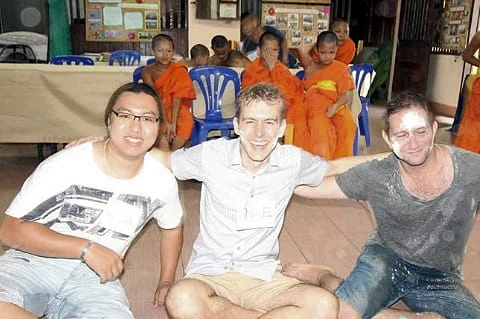
Monks hold a special place in Thai Buddhist society. Treat them with particular respect.
Do Not Touch Monks
Physical contact with monks is inappropriate. If a monk approaches you, step back. Women should not touch a monk at all.
Offering Respect
- Wai when greeting a monk
- Sit lower than any seated monk
- Listen attentively if a monk speaks to you
- Do not contradict or debate a monk
Giving Offerings
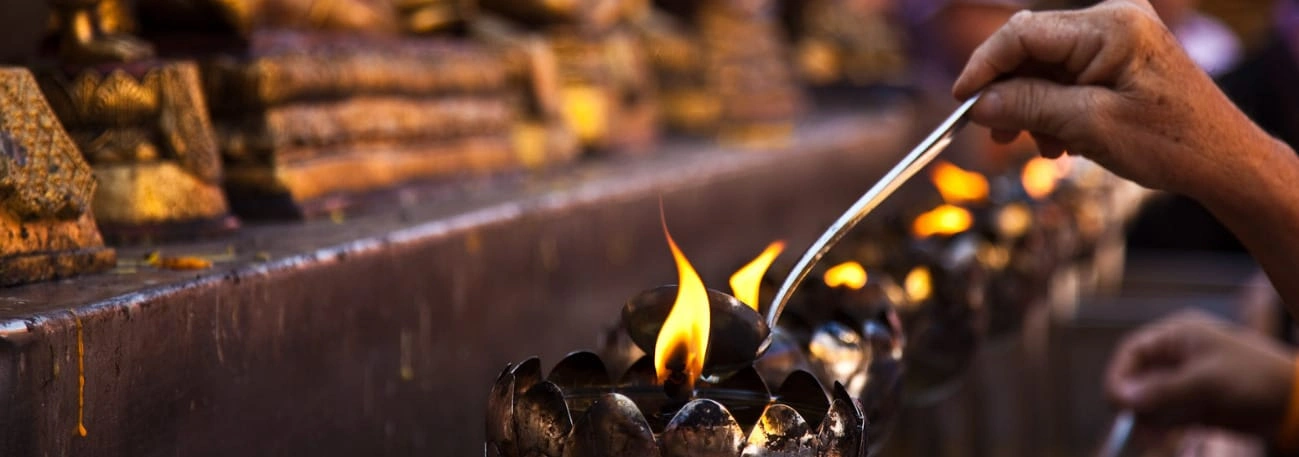
Making offerings at temples is common practice. Typical offerings include:
- Flowers
- Incense
- Candles
- Money in marked donation boxes
- Food (though timing matters. monks typically eat breakfast and lunch only)
Place offerings respectfully with both hands. Present them to monks with a wai.
Participating in Ceremonies
Observing Meditation
If sitting in on meditation or chanting, sit quietly and follow the lead of others. Do not disturb the ceremony.
Merit-Making Activities
Some temples invite visitors to participate in merit-making. Follow instructions from monks or temple staff.
Photography and Video Restrictions
Photography rules vary by temple. Some areas prohibit all photography. Common restrictions include:
- No photos during prayer or meditation
- No photos of monks without permission
- No photos in certain inner temple areas
- No drone photography
Always ask at the entrance before photographing.
What to Avoid
- Do not walk in front of a monk or block their path
- Do not eat, drink, or chew gum inside temple buildings
- Do not lean against or sit on Buddha images
- Do not point at images or people
- Do not raise your voice or show anger
- Do not criticize the temple, monks, or Buddhist practice
Last verified: March 2026