The Basics of Why It Works
People arrive in Chiang Mai on short stays and stay for years. That pattern repeats constantly. The reasons are practical more than romantic: rents are manageable, getting around is easy, the food is excellent without being expensive, and the Old City is small enough to feel like a neighbourhood rather than a city.
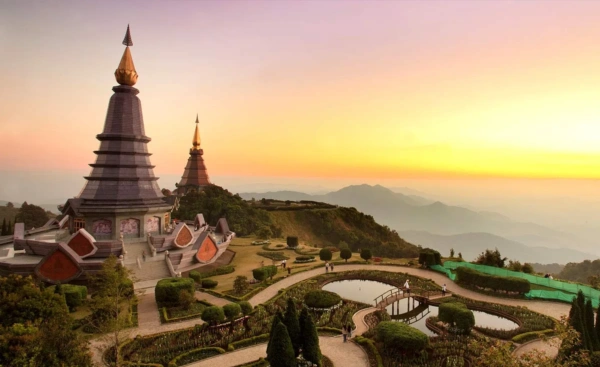
The mountain backdrop makes a difference too. Doi Suthep sits directly above the city. On a clear morning in the cool season, you can see it from most of the central neighbourhoods. The Monk's Trail up to Wat Phra Lat and beyond takes two hours on foot and passes through forest the entire way. These are not weekend-trip distances. They are Tuesday-morning distances.
Bangkok is faster for some things. The islands are warmer for months at a time. But Chiang Mai occupies a specific position: northern city pace, mountain access, large enough for everything you need, small enough to build a routine.
Cool season (November to February) is the main draw for first-time long-stayers. Dry air, temperatures in the low twenties at night, clear skies. The city fills up. Rents negotiate less easily. Hot season (March to May) is genuinely hot, but stays are cheaper and quieter. Wet season rain is mostly afternoon-only.
Neighbourhoods at a Glance
Where you live in Chiang Mai shapes your daily experience significantly. The city has distinct zones, and most long-stayers settle on one within the first couple of weeks.
Old City
The moat-ringed centre is the most recognisably Chiang Mai part of Chiang Mai. Walking distance to the main temples, the Saturday and Sunday walking streets, and dozens of cafés. Accommodation here leans toward guesthouses and older apartments. Quiet at night on the residential lanes, busy on weekends near Tha Phae Gate. Good for first arrivals and anyone who wants to absorb local texture before committing to a longer rental elsewhere.
Nimmanhaemin (Nimman)
The neighbourhood west of the Old City that became the digital-nomad and expat residential zone. One Nimman and Maya Mall anchor one end. Co-working spaces, coffee shops, and modern condos fill the sois in between. Walking to work is genuinely viable here, which matters more than it sounds when you are managing a six-month visa. Rents are higher than most other areas, but the convenience premium is real. Most co-working spaces in the city are within a ten-minute walk or scooter ride.
Santitham and Chang Phueak
North of the Old City moat, Santitham has remained one of the more affordable central options. Local market life is visible here in a way that Nimman is not. Chang Phueak gate area has good street food, lower rents, and a short ride to either the Old City or Nimman. Popular with people staying six months or longer who want lower overheads without sacrificing central access.
Ping River and Night Bazaar
East side. Bigger hotels, riverside restaurants, and the Night Bazaar markets. More transient population, more tuk-tuks, more tourism infrastructure. Some long-stayers prefer this side for the river access and slightly less-touristy character north of the bazaar area. Less co-working density than Nimman.
Out of Town: Mae Rim, Hang Dong, Doi Saket
For people who want a house with a garden, a dog, and silence at night, the peripheral areas become relevant. Mae Rim to the north and Hang Dong to the south both have standalone houses renting in the 12,000–25,000 THB range. You need a scooter or car. The tradeoff is space and calm for convenience. Many retirees with long-term visas live in these areas.
Renting in Chiang Mai
The standard approach is a furnished one-bedroom condo or apartment on a 3–6 month lease, with a one-month deposit. Landlords are generally flexible for stays of six months or more, less so for anything shorter.
Facebook groups are the most active listing source: "Chiang Mai Expats" and "Chiang Mai Real Estate" both move fast. Agencies exist but are rarely necessary for standard residential rentals. Walk-in is still viable in quieter months, less so during peak cool season.
Condo ownership for foreigners is legal within the 49% foreign-ownership quota for most buildings. Most long-stayers rent rather than buy. Ownership makes more sense at the 5-year-plus horizon and requires stable long-term visa status to be practical.
Cost of Living in 2026
Costs have increased since 2019 but Chiang Mai remains among the more affordable base options in Southeast Asia for the standard of living it provides. The following is a realistic breakdown for a single person living comfortably in a central area.
| Category | Monthly (THB) |
|---|---|
| Rent (1-bed condo, central area) | 13,000–18,000 |
| Food (mix of local and occasional restaurant) | 7,000–10,000 |
| Scooter rental or transport | 2,500–4,000 |
| Utilities (electric, water, internet) | 1,500–2,500 |
| Co-working or café working | 1,500–3,000 |
| Gym or yoga | 1,500–3,000 |
| Miscellaneous (social, travel, one-off) | 3,000–5,000 |
| Total estimate | 30,000–45,500 |
At the lower end of that range, around 30,000 THB per month (~$850 USD), life is comfortable but requires eating local most days and limiting weekend travel. At 40,000–45,000 THB, you have regular restaurant meals, occasional weekend trips, and no material compromises. Couples typically see 60–70% of individual costs rather than double.
Healthcare and Wellness
Chiang Mai Ram Hospital and Bangkok Hospital Chiang Mai both operate to international standards with English-speaking staff. A general consultation runs 500–1,200 THB. Dental work is significantly cheaper than most Western countries: a routine cleaning is 500–800 THB, and more involved work scales proportionally.
Pharmacies are well-stocked. Most common medications are available over the counter at costs that surprise first-time visitors. Travel insurance with medical coverage remains important for anything surgical.
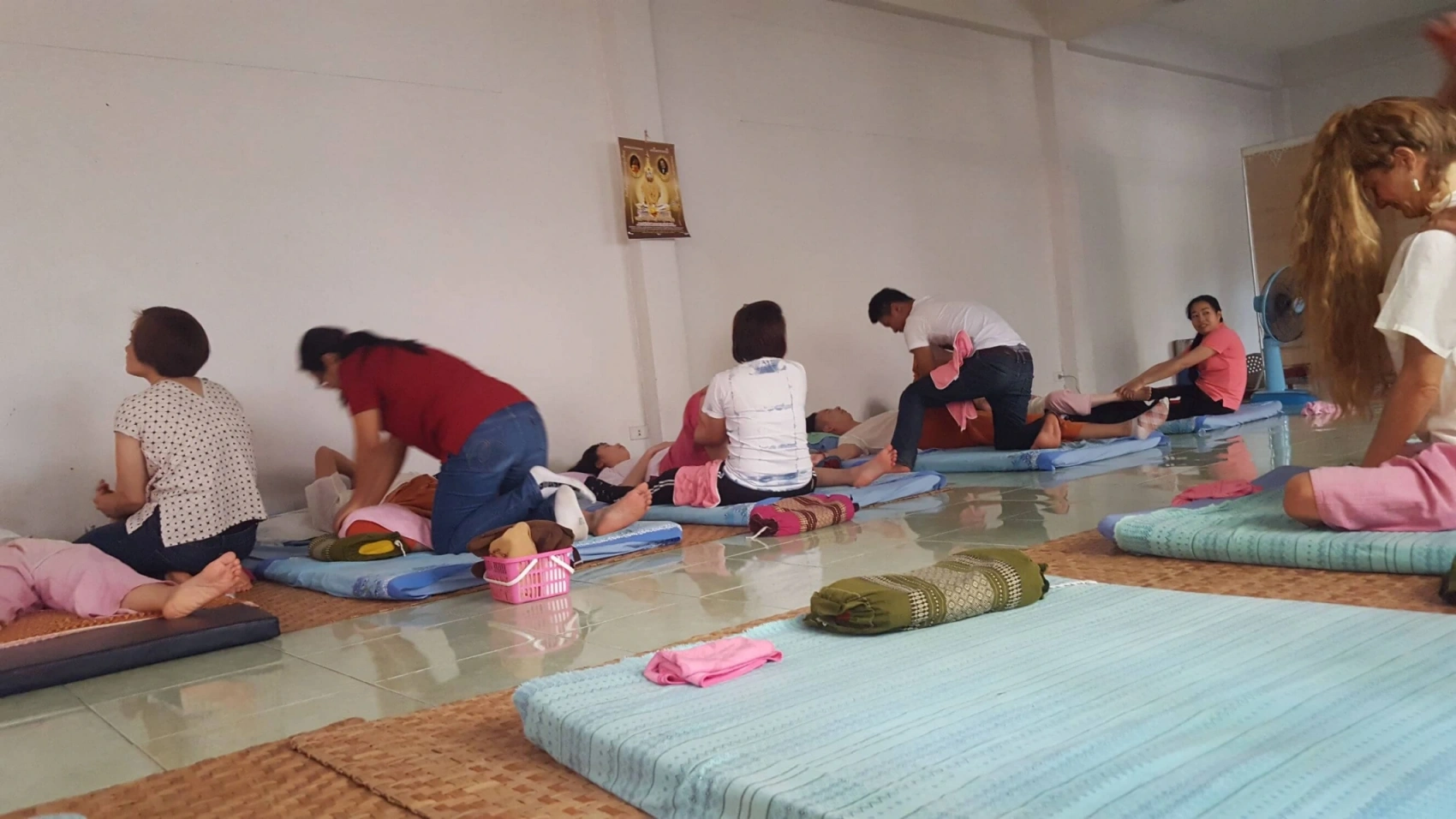
The wellness infrastructure is extensive. Yoga studios cluster around Nimman and the Old City. Muay Thai training camps operate at various levels from beginner to serious competition preparation. Traditional Thai massage at reputable shops runs 250–350 THB per hour. Meditation retreats and programs at nearby temples and retreat centres are available at low cost or donation-based for serious practitioners.
Community and Routine
One of the underrated aspects of Chiang Mai is that the long-stay community is genuinely large. There are enough people here who have been around for years that networks are established, and finding people with relevant experience is straightforward.
Regular recurring events include digital nomad meetups (multiple per week in peak season), hiking groups that do trails around Doi Suthep and further afield, running clubs, photography walks, language exchange evenings, and creative workshops. Most are free or very low cost. The Facebook groups mentioned above are the primary coordination point.
The ChiangMaiAmbassador archive has documented many of these over the years. What we have consistently observed is that people who engage with the community early settle more successfully than those who try to build a life entirely from their condo and co-working desk.
Day Trips and Getting Out
Being based in Chiang Mai means Thailand's north is accessible. These are not hypothetical trips: long-stayers do them regularly.
- Doi Suthep: 40-minute scooter ride. Temple, viewpoints, forest trails, and the royal villa lower down. Morning visits before the tour groups arrive are quiet.
- Sticky Waterfalls (Bua Thong): 90 minutes north. The mineral-calcite waterfall surface is firm enough to walk straight up. Accessible by scooter or rent a car.
- Doi Inthanon National Park: 90 minutes south. Thailand's highest peak, twin royal pagodas, bird-watching, and multiple waterfall trails. Full day minimum.
- Mae Hong Son loop: Two-day minimum ride through mountains, hill villages, and forest. Mae Hong Son town is quiet, border-adjacent, and worth an overnight.
- Chiang Rai: 3 hours north. Wat Rong Khun (White Temple), Baan Dam (Black House), Blue Temple, and a slower city pace than Chiang Mai.
- Pai: 3 hours northwest via mountain road. Small music and craft scene, hot springs, waterfalls, and a longstanding slow-travel community. Many long-stayers rent here for a month or two.
Weekend trips of this kind become part of the rhythm. The infrastructure (bike rental, van share services, guesthouses) is well-established and not expensive.