
Essential Thai Culture Topics
Understanding Thai culture is fundamental to living and traveling respectfully in Chiang Mai. Thai society is deeply rooted in Buddhism, respect for hierarchy, and community harmony. The guides below cover the key cultural practices you'll encounter daily.
Thai Culture & Etiquette
Learn the wai greeting, respect protocols, dress codes, and daily etiquette that shape Thai social interaction.
Thai Customs & Traditions
Explore the roots of Thai society: family hierarchy, Buddhism in daily life, face-saving, and national symbols.
Temple Etiquette
Understand proper conduct when visiting Buddhist temples, including dress code, behavior, and interactions with monks.
Thai Food Culture
Explore Thai cuisine, dining customs, regional variations, food etiquette, and the role of food in Thai society.
Festivals & Events
Discover Chiang Mai's major celebrations: Songkran, Yi Peng, Loy Krathong, and other festivals throughout the year.
Sak Yant Tattoos
Learn about sacred Buddhist tattoos: their spiritual significance, designs, and what it means to wear one in Thai culture.
Getting a Sak Yant
Step-by-step guide to finding authentic masters, preparing for a session, costs, aftercare, and what to expect.
Sak Yant Designs
Complete reference guide to traditional Sak Yant designs, their meanings, spiritual significance, and symbolism.
Visiting a Sak Yant Monk
Learn proper etiquette before, during, and after visiting a Sak Yant master, including spiritual conduct expectations.
Why Cultural Understanding Matters
Thailand operates on values fundamentally different from Western cultures. Respect for hierarchy, maintaining harmony, saving face, and reverence for Buddhism are central to Thai society. Ignorance of these principles can lead to offense, misunderstanding, or unintended disrespect. even with the best intentions.
Living or traveling in Chiang Mai requires genuine effort to understand and respect Thai cultural norms. Thais are generally forgiving of unintentional cultural mistakes from foreigners, but they deeply appreciate those who make sincere efforts to learn and respect their traditions.
Key principle: Thai culture prioritizes harmony, hierarchy, and respect. Many behaviors that are casual or acceptable in Western countries are considered disrespectful in Thailand. Take time to learn rather than assume your home country's norms apply here.
Core Values in Thai Society
Buddhism
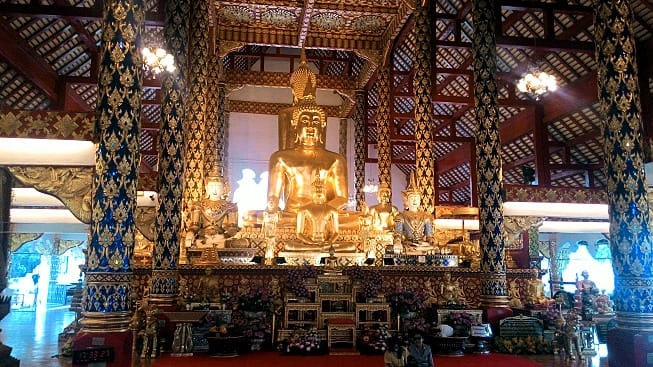
Buddhism is woven into every aspect of Thai life. Around 95% of Thais are Theravada Buddhists. The principles of karma, merit-making, and peaceful coexistence guide daily behavior, holidays, and social interaction. Understanding Buddhism helps you understand Thai culture at a fundamental level.
Respect for Hierarchy
Thai society is hierarchical. Age, social position, and status determine how people interact. Speaking respectfully to elders, bowing slightly to authority figures, and understanding your place in social structures are expected behaviors.
Maintaining Face
Public embarrassment or contradiction causes someone to "lose face". damaging their reputation and your relationship. Thais will go to great lengths to avoid conflict or public disagreement. Direct criticism or confrontation is considered extremely rude.
Community and Family
Individual desires come secondary to family and community wellbeing. Extended family decisions, collective harmony, and group cohesion are prioritized. What benefits one person may be rejected if it harms group harmony.
Getting Started
Begin with the foundational guides on Thai Culture & Etiquette and Thai Customs & Traditions. These establish the core values that inform all other cultural practices.
If you plan to visit temples, read Temple Etiquette before your visit. If interested in Sak Yant tattoos, start with Sak Yant Tattoos to understand the practice, then explore Designs & Meanings and Getting a Sak Yant.
Last verified: March 2026