
Wai: The Traditional Greeting
The wai is the foundation of Thai social interaction. It serves as greeting, thanks, apology, and respect all in one gesture. The height of the hands indicates the level of respect. Higher hands mean greater respect.
Family and Hierarchy
Thai society places family at the centre of social life. Respect for elders and authority figures is fundamental. Age and social position determine communication style and social roles.
Family Structure
- Extended family involvement in decision-making
- Respect for parents and grandparents is essential
- Children care for aging parents as cultural obligation
- Family honour and reputation matter greatly
Buddhism and Daily Life
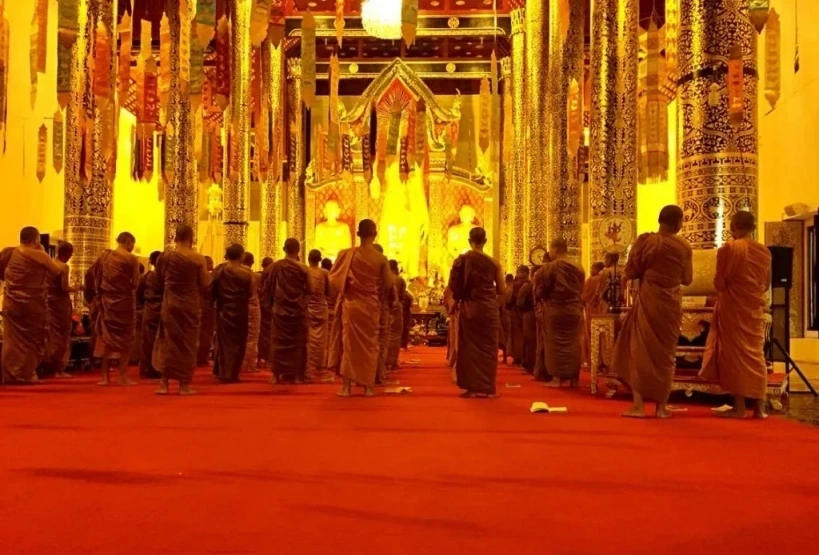
Buddhism permeates Thai culture. Most Thais are Theravada Buddhists, and Buddhist principles influence daily behaviour, ethics, and holidays.
Merit-Making
Buddhists earn merit through good deeds, meditation, and donations. Many Thais support monks and temples as part of their spiritual practice.
Buddhist Holidays
Major holidays include Songkran (Thai New Year), Visakha Bucha (Buddha's birthday), and Loy Krathong (festival of lights).
Spirits and animism: Alongside Buddhism, many Thais respect spirits, amulets, and protective talismans. Belief in spiritual protection is common.
Honour, Face, and Reputation
Maintaining face (reputation and honour) is central to Thai social interaction. Public criticism, confrontation, or embarrassment causes someone to lose face, which can damage relationships and trust.
Saving Face
- Praise in public, criticise in private
- Offer graceful exits from difficult situations
- Never directly contradict or embarrass someone
- Accept apologies without further confrontation
Respect for Symbols and Icons
Thais show deep respect for national and religious symbols. The monarchy, flag, and national anthem command reverence.
What This Means
- Stand respectfully during the national anthem
- Treat royal images with reverence
- Do not step on currency (which bears the king's image)
- Never criticise the monarchy
Festivals and Celebrations
Songkran (April 13-15)
Thai New Year. A water festival celebrating renewal and washing away bad luck. Families gather, and water is splashed to show blessing and respect.
Loy Krathong (November)
Festival of lights. People float decorated baskets on water to pay respect to water spirits and wash away negativity.
Yi Peng Lantern Festival (November)
In Chiang Mai, thousands of lanterns are released into the sky as offerings and expressions of hopes for the future.
Rites of Passage
Coming of Age
For young men, ordination as a monk (even temporarily) is an important cultural milestone. Many Thai males spend time as a monk to gain spiritual experience and earn merit for their families.
Marriage and Family
Marriage ceremonies blend Buddhist and traditional elements. The bride's family traditionally receives a gift from the groom's family (bride price), though this practice is evolving in modern Thailand.
Food and Dining Culture
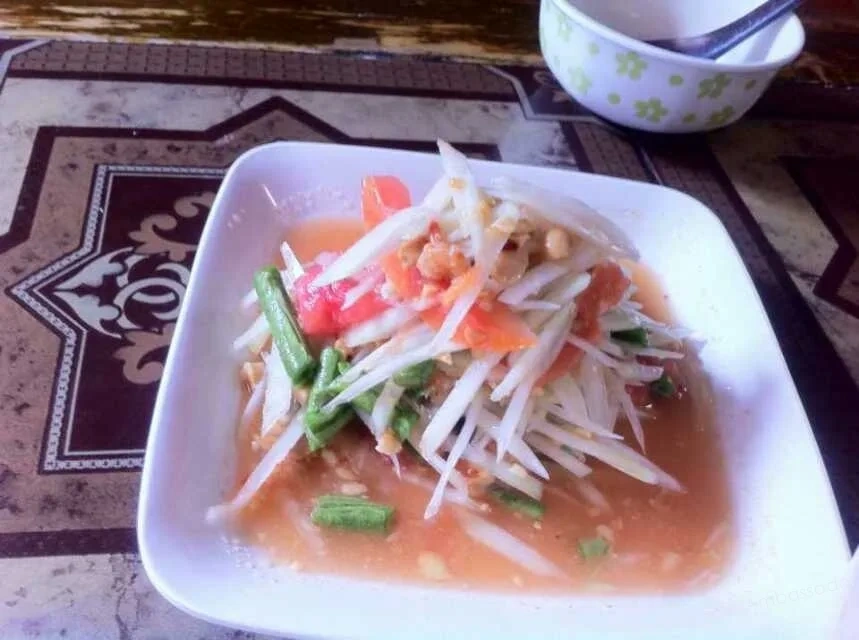
Food is central to Thai social life. Meals are communal, shared experiences. Eating is an opportunity for family bonding and showing hospitality.
Dining Etiquette
- Always eat together as a group when possible
- Use your right hand for eating
- Leave a small amount of food in your bowl (not a sign of waste, but politeness)
- Accept food offered to you, even small amounts
Thai Numerology and Lucky Numbers
The number 8 is lucky (sounds like "prosperity" in Thai). The number 4 is unlucky (sounds like "death"). This influences business decisions, phone numbers, and building numbers.
Last verified: March 2026